Grease instructions for restaurants
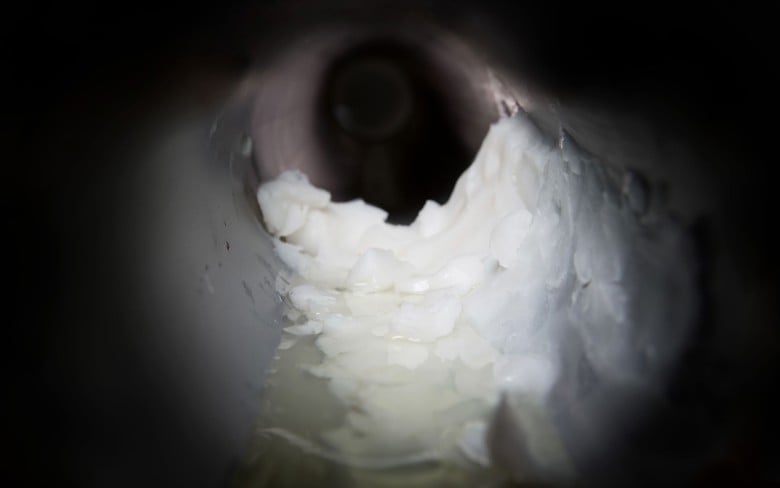
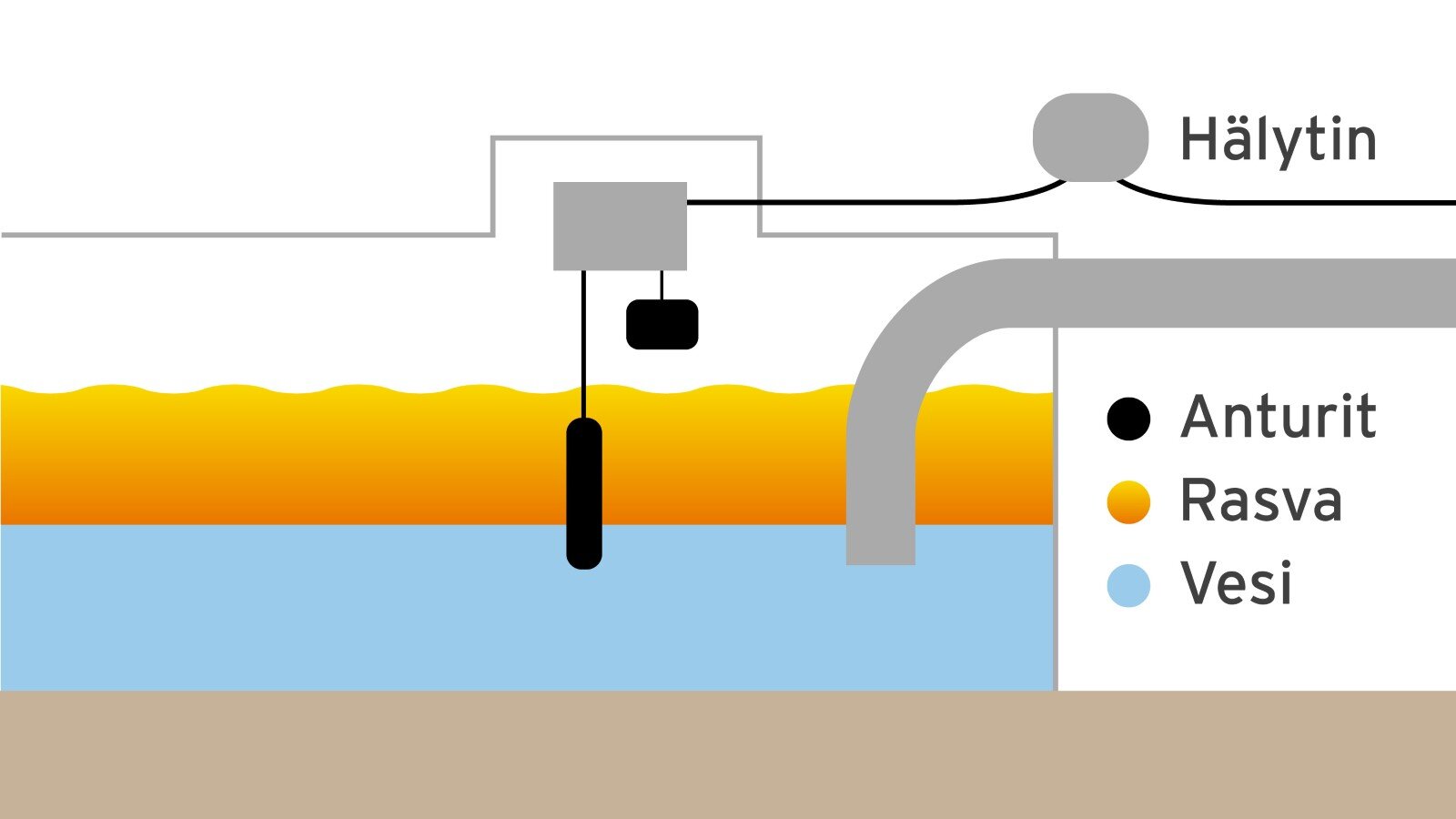
Grease ends up in sewers from several different sources: restaurants, the food industry, bakeries and households. When lots of grease is used, as in a restaurant, it must be removed using a grease separator. In the separator, grease is separated from water by solidifying on the surface.
Waste grease causes blockages in sewer pipes
Waste grease may cause odours in the sewer and gradually form a grease blockage. In the event of blockage, wastewater may be discharged from the sewer with great pressure into the interiors of the building, causing expensive water damage and even interrupting the restaurant’s operations. It is important to determine and agree who is responsible for the operation and emptying of the grease separator, since the party that causes the blockage is ultimately liable for the damages incurred.
Keep sewers open
Prevent sewer blockages:
- Dispose of leftover food as biowaste.
- Collect deep-fryer grease for utilisation.
Ensure that wastewater is pretreated in a grease separator at:
- grill rooms;
- production kitchens that prepare more than 50 portions per day; and
- distribution kitchens that process more than 100 portions per day.
Determine and agree with the property owner who is responsible for
- the restaurant’s grease separator and its correct dimensioning;
- regular servicing and emptying of the grease separator and maintenance
of the alarm; and - monitoring of the grease separator’s operation and testing the alarm.
In the event of a sewer blockage
In the event of a sewer blockage, follow these steps:
- Stop using water if the sewer does not drain.
- Small blockages may be cleared with a plunger.
- In the event of larger blockages, contact the maintenance company or a drain cleaning company.
Take care of things in time to keep your sewer working and restaurant running. Also ensure that you have up-to-date contact information of the property owner, maintenance company, drain cleaning company, etc.
Checklist for properties to avoid sewer blockages
- Regularly empty and service the grease separator.
- Regularly clean the grease separator alarm and test its
operation. - Regularly monitor the operation of the grease separator.
- Determine the location of the grease separators and the building’s wastewater
manholes so that they can be found even in the winter. - Regularly check the operation of the sewers.
- Determine the need for repairing the sewers by means of video inspections and
condition surveys when necessary.